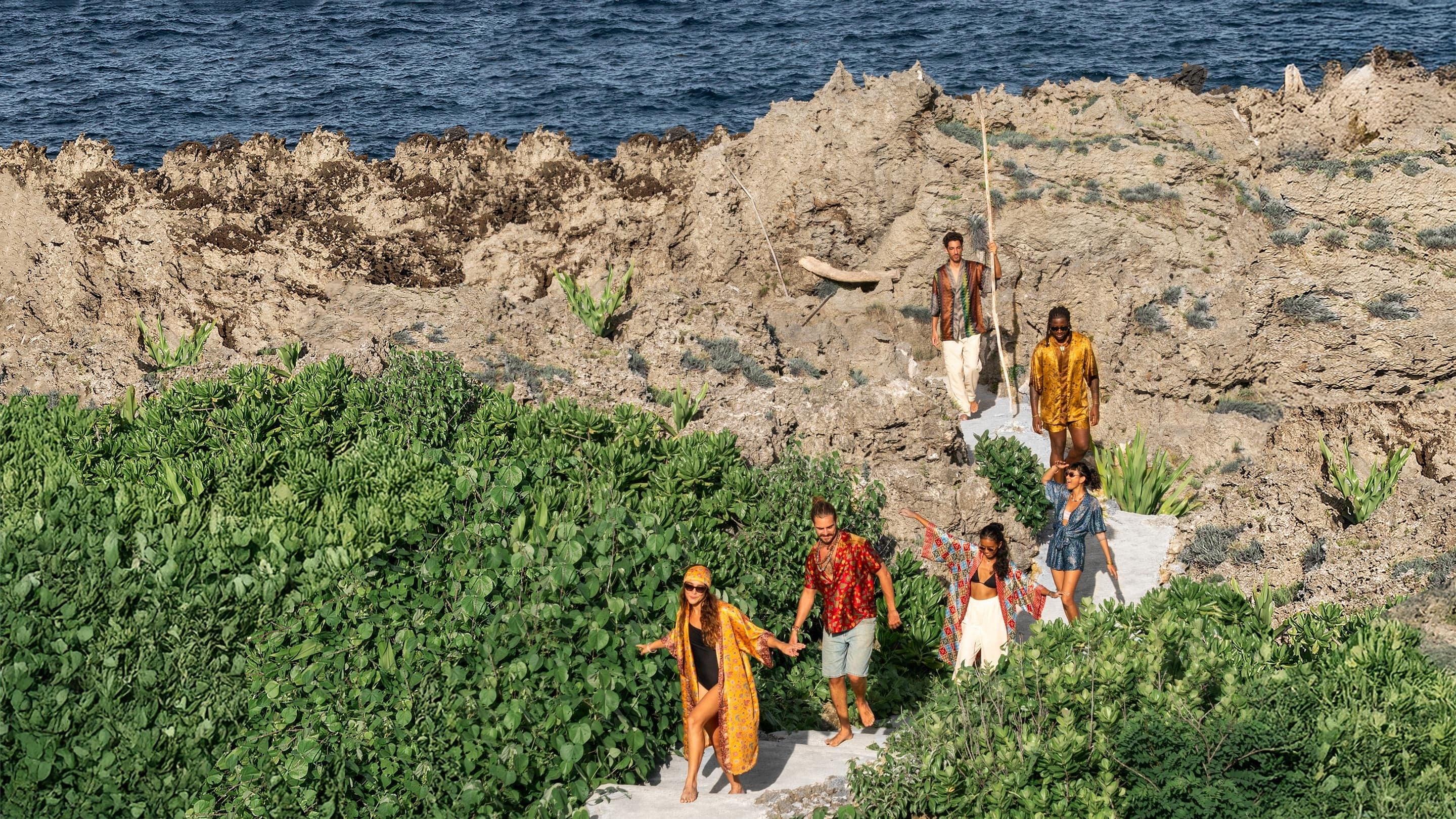
Rafikimono
Two fabric obsessives who started sewing for friends — and accidentally built one of Manila's most beloved luxury leisurewear brands.
Shop RafikimonoRafikimono is proof that the best brands start as pure love — not business plans. Raffi and Shaun didn’t set out to build a fashion label. They set out to wear something beautiful. The Philippines got to come along for the ride.
The Founders
Rafael Fuchs-Simon
Co-Founder & Textile Hunter
Shaun Sager
Co-Founder & Creative Director
Fast Facts
It Started With a Birthday Gift
Rafael Fuchs-Simon moved to Manila for a corporate job and quickly became disillusioned with mall shopping. Why pay the same price for a generic shirt when a local tailor could make you something that actually fit? That curiosity unlocked something. Every trip abroad became an excuse to disappear into textile markets — Japan, Indonesia, India, South America — filling suitcases with fabric that had character.
“Rafikimono started almost by accident, as a passion project... I needed corporate clothes, so I found a local tailor. That started my addiction of creating unique custom garments.”
Rafael “Raffi” Fuchs-Simon, Rafikimono Co-Founder
The brand officially took shape when Raffi started making kimonos for friends as birthday gifts. The response was immediate. People didn’t just want to wear them — they wanted to understand them. Where was this fabric from? Who made this? The questions turned into a showroom. The showroom turned into a brand.
Today, Rafikimono is sewn by expert seamstresses in Manila — who the brand affectionately calls their ates — and sold in limited drops that reliably sell out. Each piece is designed to maximize comfort without sacrificing beauty: deep pockets, hidden closures, wrinkle-resistant fabrics that go from beach to dinner with zero effort.
Why We Featured Them
What Makes Rafikimono Different
01
The Hunt is the Product
Most brands source fabric from catalogs. Raffi and Shaun physically travel to local markets worldwide to handpick textiles — which means every Rafikimono you own is genuinely one of a kind.
02
Zero Waste, Zero Compromise
Inspired by Japanese craftsmanship traditions, Rafikimono has kept every fabric scrap since day one. During the pandemic, those scraps became face masks for their community. Nothing is thrown away.
03
Made by Ates in Manila
Production stays in the Philippines. The brand pays fair wages and works with the same skilled seamstresses who’ve grown with them since the beginning.
Ready to own
a piece?
Each collection is limited — when it's gone, it's gone.