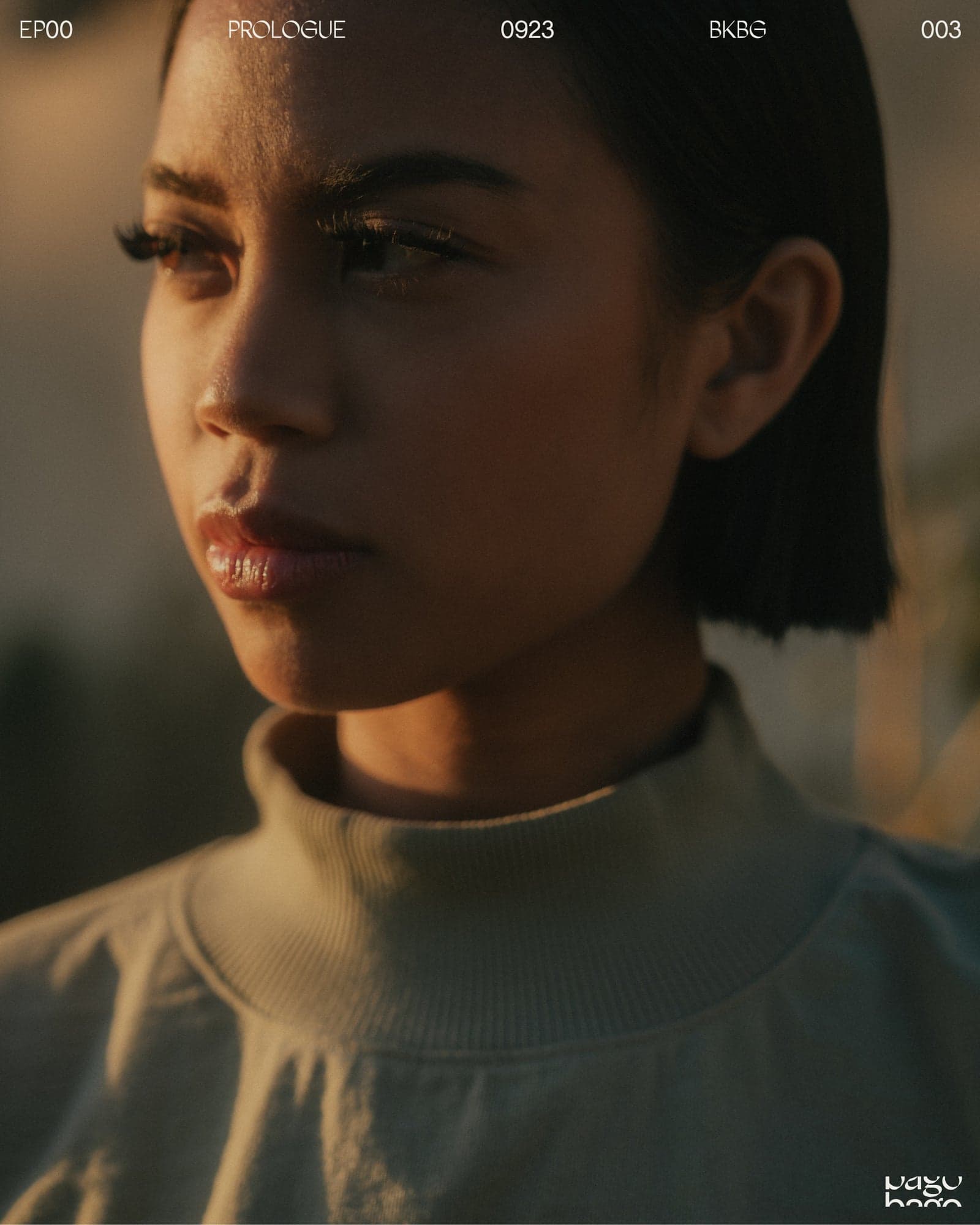
Bago
A Navy nuclear engineer turned industrial designer who launched a fashion brand during a pandemic, driven by a single conviction: if Filipino Americans won’t put their own textile heritage in the spotlight, nobody will.
Shop BagoBago is what happens when someone with a nuclear engineering background and an industrial design degree turns their full analytical rigour toward a single cultural problem: the invisibility of Philippine textile heritage in contemporary fashion. Brandon Comer didn’t stumble into this. He researched it, structured it, and built a supply chain that pays weavers ten times the national average.
The Founders
Brandon Comer
Founder
Fast Facts
He Left the Navy, Got Two Master’s Degrees, and Made a T-Shirt That Sold Out Immediately.
Brandon Comer grew up Filipino American in a tight-knit family — 18 cousins and a grandmother named Linda who raised seven children as an immigrant on very little. He went on to serve in the Navy as a nuclear engineer, earned an EMBA from UCLA, and completed a master’s in industrial design from the Creative School. By any measure, he had built a successful professional life. Then, in 2020, the wave of AAPI hate crimes made him stop and ask a different question.
That question led him back to Philippine history — specifically, to its textiles. To the Binakol weaves of the Ilokano and Itneg communities, whose kusikus patterns — optical-illusion spheres representing ocean whirlpools — served as ceremonial cloth for spiritual protection, predating Spanish colonization by centuries. To the generations of weavers who had kept these traditions alive, largely without recognition or fair compensation. In 2021, Brandon launched Bago.
“If we’re not going to reclaim or celebrate our own heritage, and bring it into the spotlight, who’s gonna do it?”
Brandon Comer, Bago Founder
The name is the brief: bago means new, fresh, modern. The Heritage Tee — the brand’s first product, priced at $109 — sold out completely. Every garment is original cut-and-sew, no blanks or templates. All manufacturing is done locally in Los Angeles, with Brandon overseeing quality control personally. The brand’s partnership with Anthill Fabrics — a Filipina women-owned company that employs indigenous weaving communities across the Philippine islands — ensures that 43% of textile costs go directly to weavers, who earn more than ten times the national average wage for their work.
In the aftermath of a 7.3 magnitude earthquake devastating northern Philippines, Bago donated 100% of its weekly sales to affected communities. That instinct — to turn the brand’s resources toward the places and people its textiles come from — is not an add-on. It is the operating model.
Why We Featured Them
What Makes Bago Different
01
43% Directly to Weavers
Bago’s partnership with Anthill Fabrics ensures that 43% of every textile purchase goes directly to indigenous weavers in the Philippines, who earn more than ten times the national average wage. This is a supply chain designed as an act of reparation.
02
No Blanks. No Templates.
Every Bago garment is original cut-and-sew, designed from scratch to showcase the textile’s integrity. All manufacturing happens locally in Los Angeles, with Brandon personally overseeing quality control.
03
Pre-Colonial Patterns in a Streetwear Frame
Binakol textiles, kusikus patterns, ceremonial weaving traditions that predate Spanish colonization by centuries. Bago puts all of this into contemporary cut-and-sew garments without flattening the history. Each collection is designed as a cultural storytelling vignette.
Ready to own
a piece?
Each collection is limited — when it's gone, it's gone.